


What you are actually learning
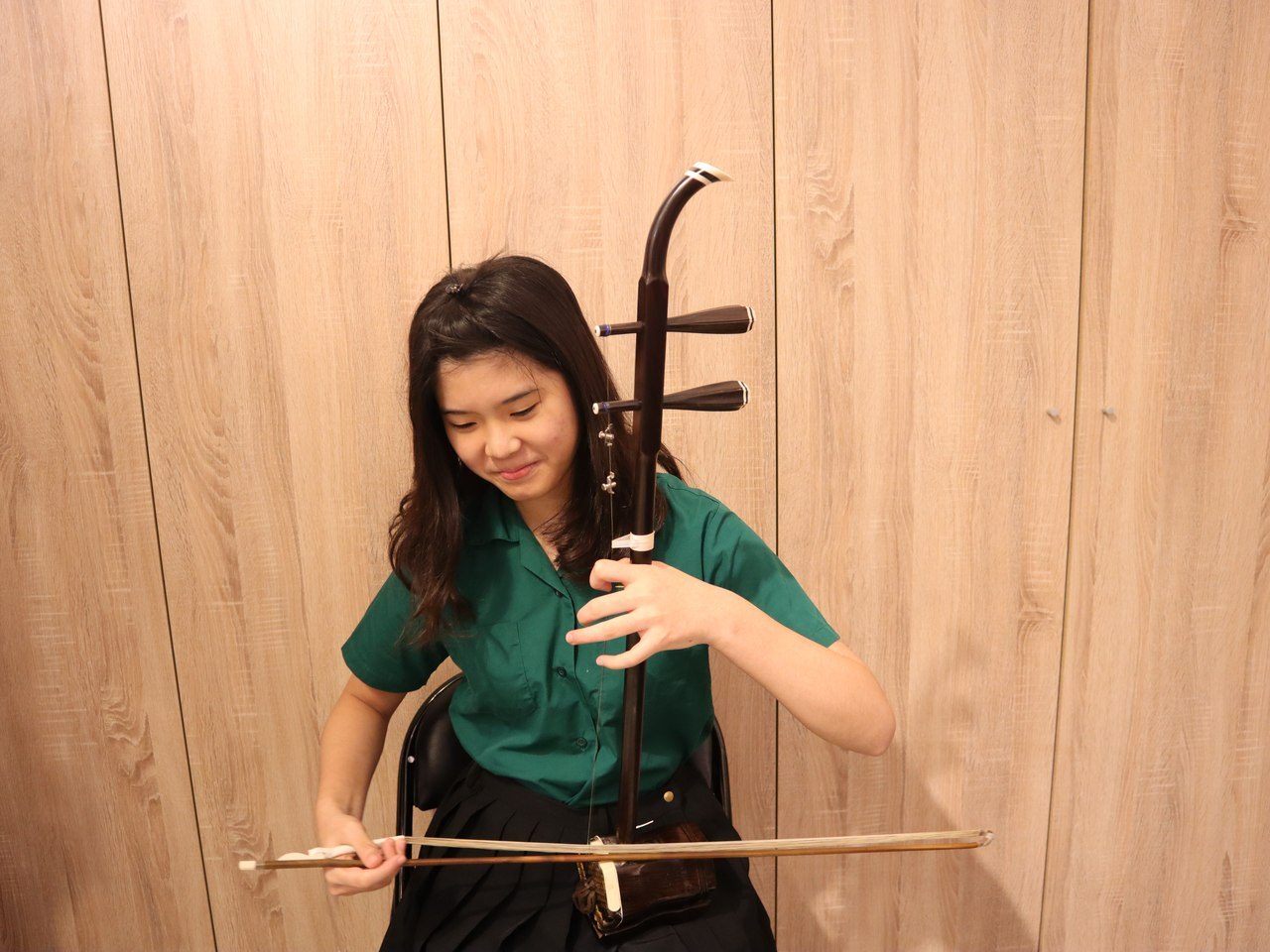
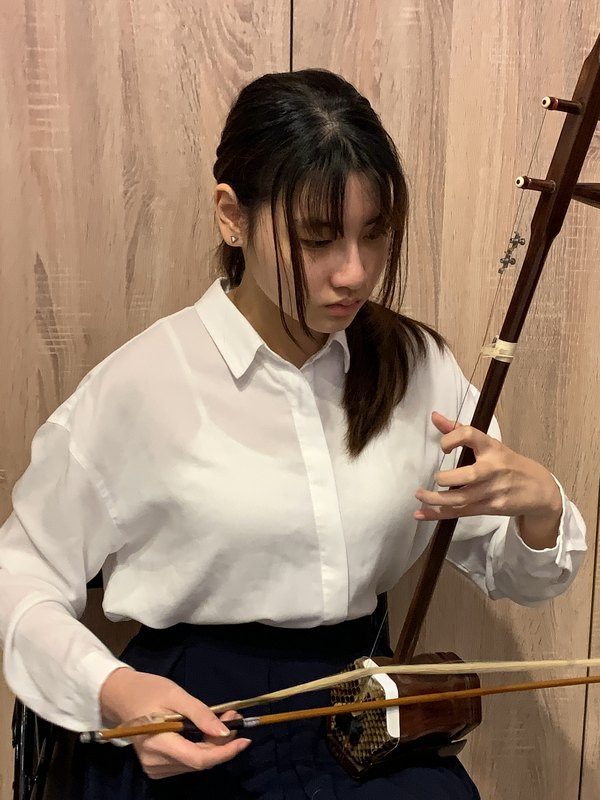
The erhu has no fingerboard. Your finger stops the string in mid-air, so every note is found rather than pressed, and intonation is built from the first lesson rather than assumed. The bow sits BETWEEN the two strings and is pushed and pulled against them, meaning the right hand controls which string sounds as well as how it sounds.
That combination is why an erhu played well is often described as the closest instrument to the human voice, and why an untaught beginner tends to stall. Most of what a teacher gives you in the first year is a reliable left hand and a bow arm that does not fight the instrument.
Who it suits
Adults starting from nothing do well on the erhu — there is no large stretch, no heavy instrument to hold, and you can practise quietly. It is also the instrument most often taken up by people who played a Western string instrument years ago, because bow control transfers even though the fingerboard habit does not.
Children and adults
Children usually start around age six or seven, when the hand can hold the bow properly. There is no upper age at all: several of our adult students began after retiring.
Lesson format
Taught one-to-one. Erhu is rarely a good group instrument for beginners, because intonation on a fingerboard-less instrument needs individual correction from the first note.
How the learning is structured
Sitting position, bow hold, and producing a clean open string before any tune. Then the first position and simple folk melodies.
Position changes, vibrato, and the bow strokes that give the erhu its character — 顫弓, 連弓, and the beginnings of 跳弓.
Repertoire work: 二泉映月, 良宵, the concerto literature, and grade or conservatory preparation where that is the goal.
Our students on stage
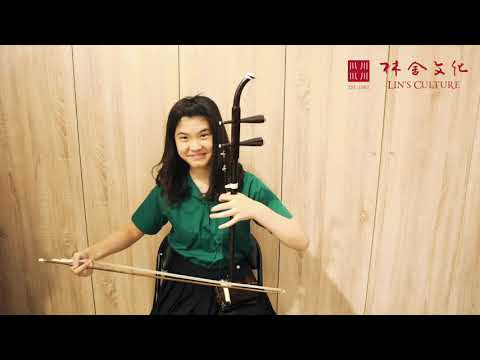
More on our YouTube channel →The student showcase is where what was practised in lessons meets an audience. These are recordings from a past one.

Who teaches it here
See all teachers →


Instruments in the shop
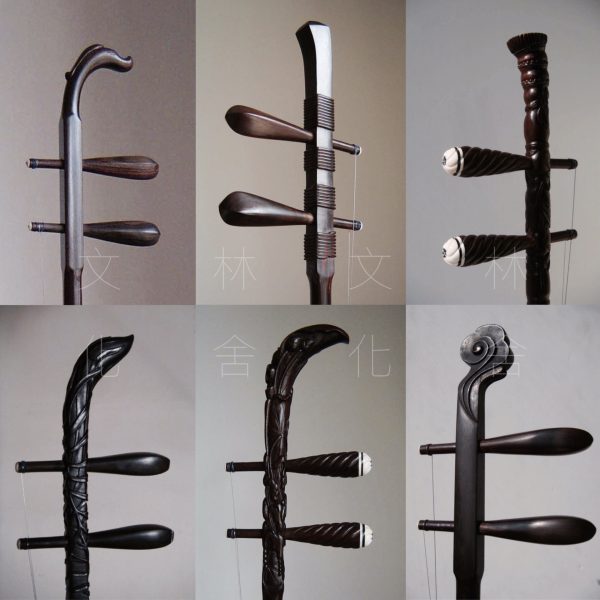
The lessons and the shop are the same building, which means you can try an instrument before you buy one and bring it back to the person who sold it to you if anything is wrong. We are glad to advise without a sale.


Questions people ask
Do I need to buy an erhu before my first lesson?
No. Come and try first — we have instruments in the shop and can lend one for a trial lesson. Buying makes sense once you and your teacher know what suits your hand and your budget.
Is the erhu difficult for an adult beginner?
The first weeks are genuinely awkward, because nothing tells you where the note is. After that most adults progress faster than they expect, precisely because everything is being taught rather than guessed.
What does an erhu cost?
Our range starts well below the collector instruments. Come in and play a few — the difference between a student and a professional instrument is audible in the first minute, and we will not sell you more than you need.
Arrange a trial lesson
Tell us your experience so far, who the lessons are for and roughly when you can come. We will suggest a teacher and a time.
Central Taipei, walking distance from Dongmen and Zhongxiao Xinsheng stations. Teaching, the shop and the workshop are all in the same place.

